Looking for more CDTech news?
See what the news is saying about us.

display / touch / bonding solutions
Looking for more CDTech news?
See what the news is saying about us.

CDTech is a professional LCD display manufacturer and supplier established in 2011, providing TFT LCD, touch display, and customized display solutions for industrial and other specialized applications. With in-house R&D, manufacturing, quality control, and production capabilities, CDTech supports customers throughout different stages of a display project.
Read More
When selecting a TFT LCD for industrial equipment, the interface is just as important as screen size, resolution, brightness, and viewing angle. The interface determines how the display communicates with the main controller and has a direct impact on data transfer speed, PCB design, software compatibility, and overall system integration.
Read More
TFT LCD displays are transforming industrial equipment interfaces by providing clearer visualization, flexible touchscreen controls, real-time data monitoring, and more intuitive alarm and diagnostic functions. Compared with traditional indicators and control panels, they allow manufacturers to integrate multiple machine functions into a compact, programmable interface. This article explores how TFT LCD technology improves operator efficiency, equipment usability, visibility, control panel design, and system integration, while also explaining the key factors to consider when selecting a TFT LCD for industrial applications.
Read More
Choosing a TFT LCD for an industrial product is not simply a matter of selecting the right screen size or resolution. An industrial display may need to operate for years inside a machine, control panel, measuring instrument, vehicle, or automation system while dealing with temperature changes, vibration, dust, strong ambient light, and continuous operation.
Read More
For equipment manufacturers, selecting a BAR Type LCD display involves much more than choosing the right dimensions. Factors such as brightness, display technology, interface compatibility, operating environment, customization capabilities, and long-term product availability all have a significant impact on the success of a project. This guide explains the most important considerations to help manufacturers choose a display solution that delivers reliable performance throughout the entire product lifecycle.
Read More
Choosing an LCD display touch screen for an OEM device is rarely as simple as picking a screen size and resolution. In many products, the display becomes the main point of interaction between the user and the device, which means it affects usability, product reliability, aesthetics, and even long-term maintenance costs. A display that looks good on a datasheet can still become a weak point in the final product if it is difficult to read in the intended environment, incompatible with the housing design, or unreliable under vibration, moisture, or temperature changes.
Read MoreSelecting the right display architecture and preventing costly failures later in the product lifecycle. In this article, we will look at the most common problems with LCD display touch screens, explain why they happen, and discuss practical ways to solve them in OEM applications.
Read More
Among the many display technologies available, TFT LCD displays remain one of the most widely adopted solutions in the medical industry.
Read More
Among the many display technologies available today, TFT LCD displays have become one of the most widely used solutions in industrial control systems.
Read More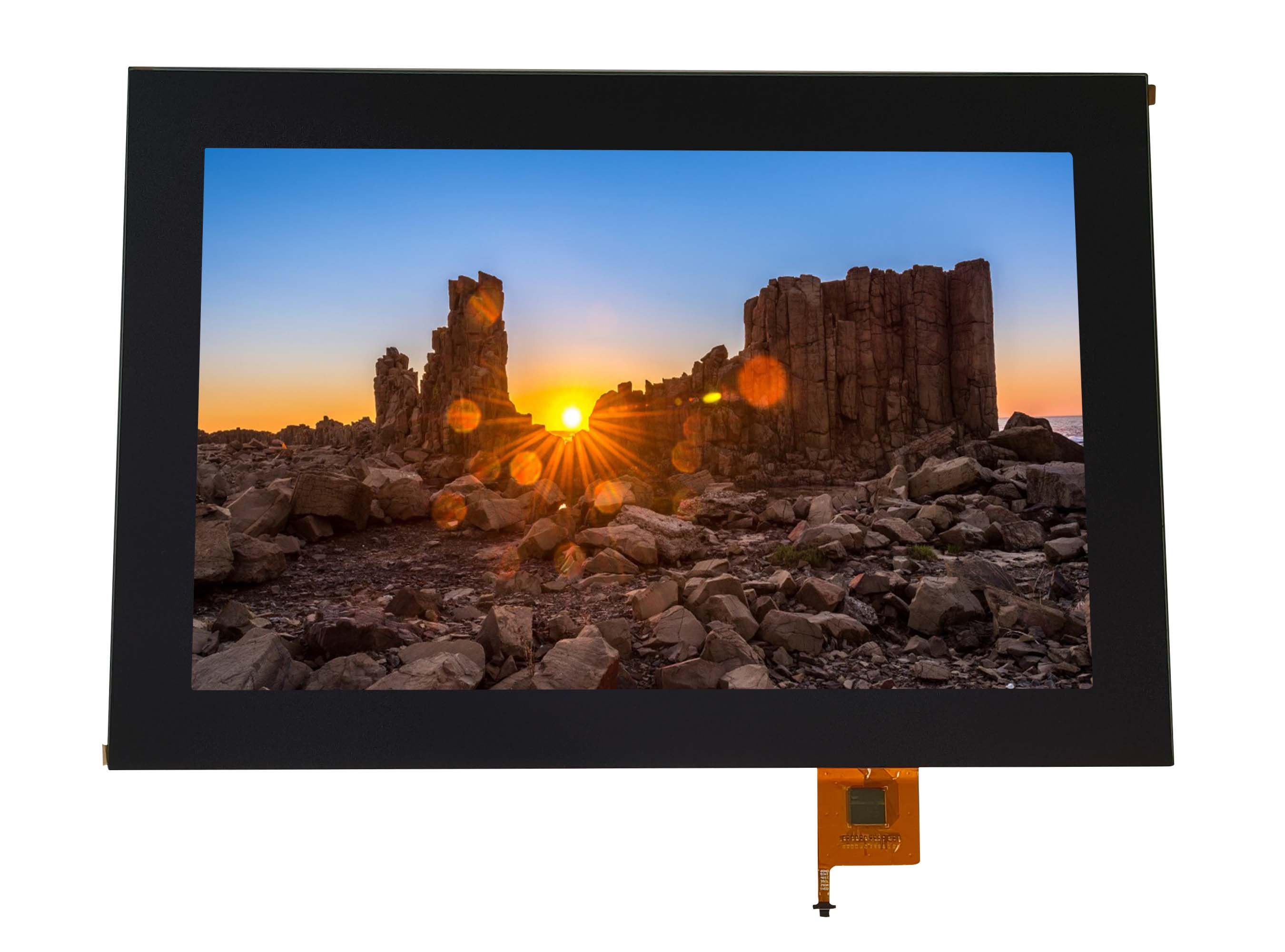
LCD display screens are widely installed in factory terminals, agricultural machinery, outdoor control panels, medical carts, and field instruments. These places share the same challenge: the air is full of dust, the environment is humid, equipment is washed with water, and condensation forms when temperatures change. Under these conditions, touch performance often becomes unstable long before the LCD itself shows any problem.
Read More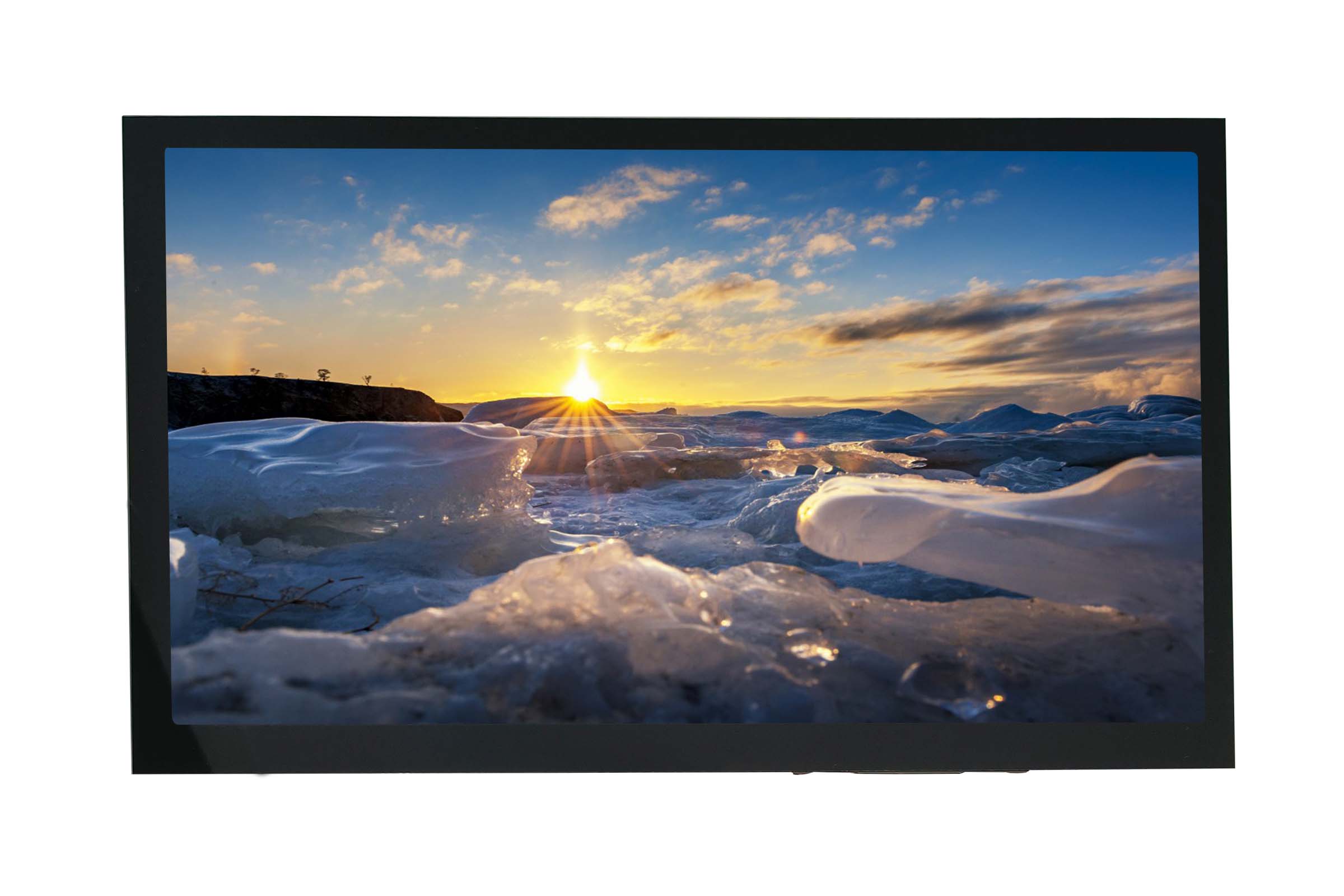
A detail hidden between the LCD panel and the cover glass often decides whether a display remains clear under sunlight, resists humidity, and survives years of vibration. That detail is the space between layers. Some displays keep a thin layer of air there. Others fill it with a transparent optical adhesive through a process known as optical bonding. The difference is invisible from the outside but obvious once the screen is installed in real equipment.
Read More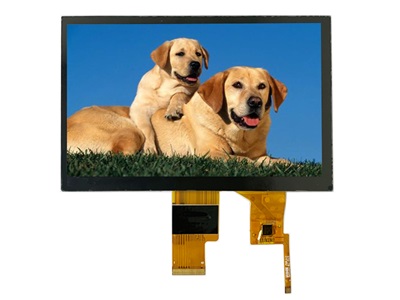
Selecting a suitable TFT LCD for industrial equipment is rarely a simple, one-size-fits-all decision. Unlike consumer electronics, industrial systems often operate in demanding environments where reliability, longevity, and readability directly affect performance and safety. Whether the display is integrated into a control panel, a medical device, or outdoor machinery, choosing the right TFT LCD requires a clear understanding of both technical parameters and real-world application conditions.
Read MoreCDTech will continue to invest and innovate to drive quality improvement, and strive to become a global leading and professional display manufacturer!just contact us.

By continuing to use the site you agree to our privacy policy Terms and Conditions.