Looking for more CDTech news?
See what the news is saying about us.

display / touch / bonding solutions
Looking for more CDTech news?
See what the news is saying about us.

When selecting a TFT LCD for industrial equipment, the interface is just as important as screen size, resolution, brightness, and viewing angle. The interface determines how the display communicates with the main controller and has a direct impact on data transfer speed, PCB design, software compatibility, and overall system integration.
Read More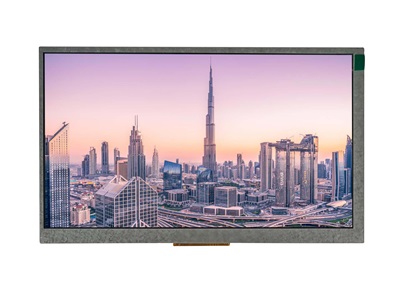
TFT LCD displays are transforming industrial equipment interfaces by providing clearer visualization, flexible touchscreen controls, real-time data monitoring, and more intuitive alarm and diagnostic functions. Compared with traditional indicators and control panels, they allow manufacturers to integrate multiple machine functions into a compact, programmable interface. This article explores how TFT LCD technology improves operator efficiency, equipment usability, visibility, control panel design, and system integration, while also explaining the key factors to consider when selecting a TFT LCD for industrial applications.
Read More
Among the various display formats available today, BAR Type LCD displays have gained significant attention for their ability to present large amounts of information within a compact installation space. Their ultra-wide design makes them particularly suitable for industrial equipment where conventional displays cannot fully utilize the available panel area. Whether installed on production lines, control cabinets, automated warehouses, or intelligent manufacturing equipment, BAR Type LCD displays provide a practical solution for delivering clear, organized, and highly visible operational data.
Read More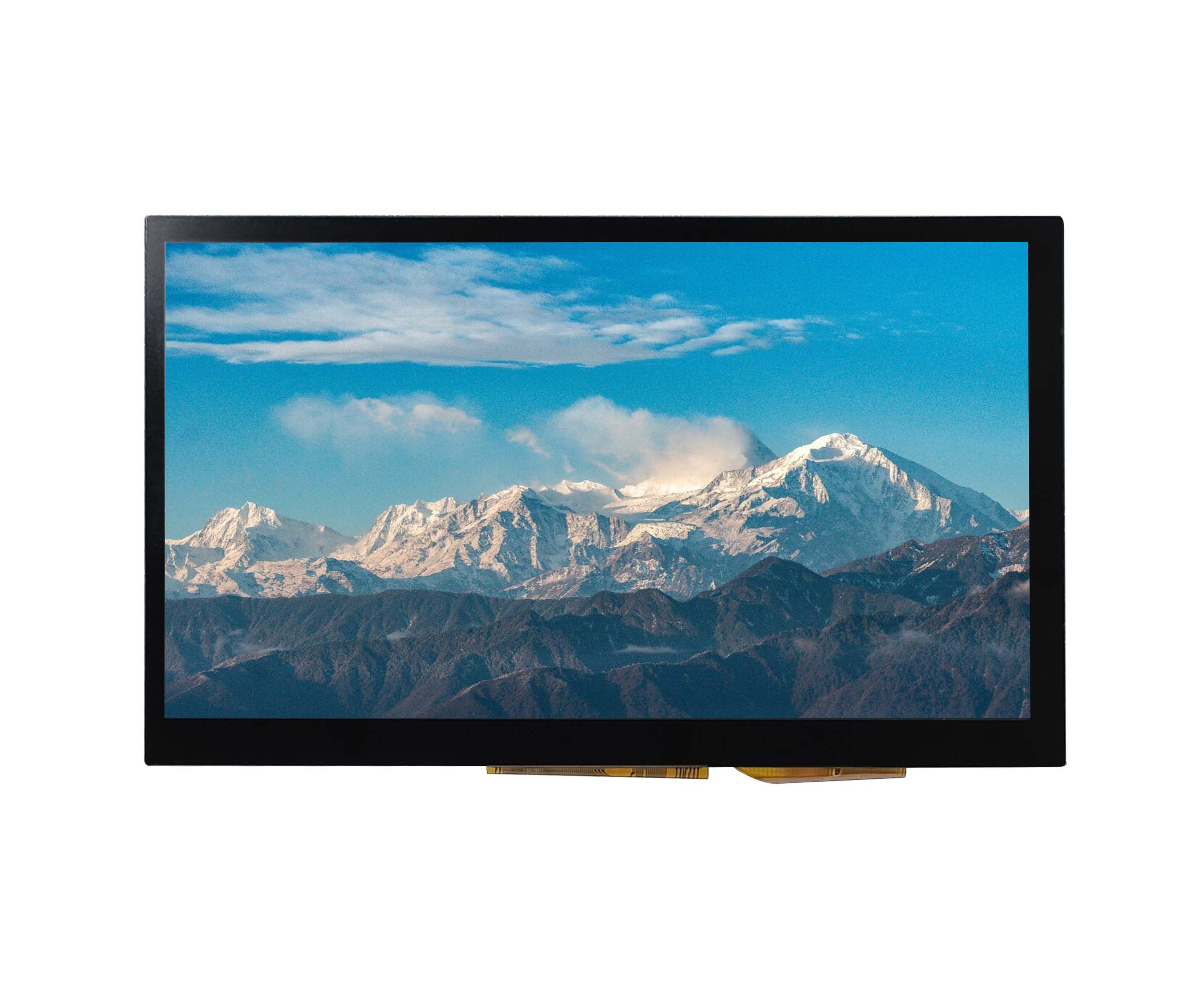
Among the many technical specifications available, IP rating, operating temperature range, and durability are three of the most important factors that determine whether an LCD display is suitable for industrial use. This article explains these key considerations in detail and provides practical guidance on how to select the right industrial LCD display for long-term, stable operation.
Read More
The automotive industry has undergone an incredible transformation over the past decade, evolving from mechanical simplicity to digital sophistication. One of the most visible changes is the widespread adoption of LCD panels in vehicles. From digital dashboards to infotainment systems and rearview displays, LCD technology has become a defining element of modern car interiors. But what exactly makes LCD panels such a valuable addition to your vehicle? This article explores the advantages, working principles, and future trends of automotive LCD panels—and why upgrading to one might be one of the best decisions for your driving experience.
Read More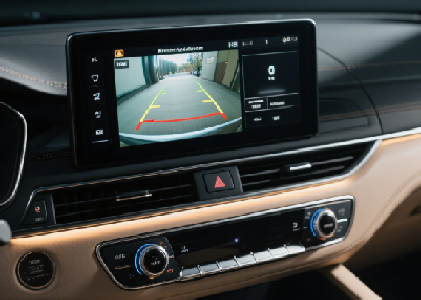
In modern vehicles, displays have become one of the most important interfaces between the driver and the car. From instrument clusters and infotainment systems to rear-seat entertainment and heads-up displays, screen technology is now central to the driving experience. Among the most widely used technologies, LCD (Liquid Crystal Display) and OLED (Organic Light-Emitting Diode) dominate the automotive industry. Both have distinct strengths and limitations, and choosing between them involves trade-offs in performance, cost, and long-term usability.
Read More
When it comes to outfitting your boat or yacht, one of the most critical decisions you’ll make is selecting the right marine display. The displays you choose will serve as the control center for navigation, safety, and entertainment, giving you visibility into essential systems like charting, radar, sonar, and entertainment options.
Read More
In today's rapidly advancing technological landscape, display technologies have become a crucial aspect of consumer electronics. Among these, Liquid Crystal Displays (LCD) and Organic Light-Emitting Diodes (OLED) stand out as the two predominant types. Each has its unique characteristics, applications, and advantages. One of the critical considerations for consumers and manufacturers alike is energy efficiency. This article delves into the comparison between LCD and OLED technologies, focusing specifically on their energy efficiency.
Read More
In today's digital age, LCD (Liquid Crystal Display) screens are ubiquitous, found in devices ranging from smartphones and tablets to monitors and televisions. One critical aspect that significantly influences the performance and user experience of these displays is the refresh rate. Understanding the impact of refresh rate on LCD displays is essential for consumers and professionals alike, as it directly affects the quality of the visual output. This article delves into what refresh rate is, how it affects LCD displays, and why it is an important factor to consider.
Read More
Burn-in, also known as image retention, is a phenomenon where a static image left on a screen for an extended period becomes permanently etched into the display. This issue is commonly associated with OLED screens, but it raises the question: can IPS LCD screens suffer from burn-in, and how can it be prevented?
Read MoreCDTech will continue to invest and innovate to drive quality improvement, and strive to become a global leading and professional display manufacturer!just contact us.

By continuing to use the site you agree to our privacy policy Terms and Conditions.

