News
Site Editor
 Site
https://cdtech-lcd.usa72.wondercdn.com/uploads/image/5faca15e24cff.png
Site
https://cdtech-lcd.usa72.wondercdn.com/uploads/image/5faca15e24cff.png
Why Wide Temperature LCDs Are Critical for Automotive Displays in Extreme Climates?
Views: 476
Author: Site Editor
Publish Time: 2026-05-07
Origin: Site
Wide temperature LCDs are essential because they operate from -30°C to +85°C and store from -40°C to +90°C, preventing blackening or delamination during heat dome events. CDTech's IATF16949-certified panels with in-house OCA bonding and zero-defect manufacturing meet these requirements, ensuring reliable performance for automotive HUDs and center displays.
Check: Vehicle LCD Display | Automotive LCD Display Manufacturers - CDTECH LCD
How do extreme heat dome events push standard automotive displays beyond +85°C operating limits?
A heat dome traps hot air under a high-pressure system, creating prolonged extreme heat. By 2026, meteorological data confirms these events are intensifying globally. Inside a vehicle cabin, dashboard temperatures can exceed +85°C due to greenhouse heating from direct sunload through glass, far surpassing standard display limits and causing liquid crystal degradation and polarizer failures.
What makes a wide temperature LCD different from a standard automotive display?
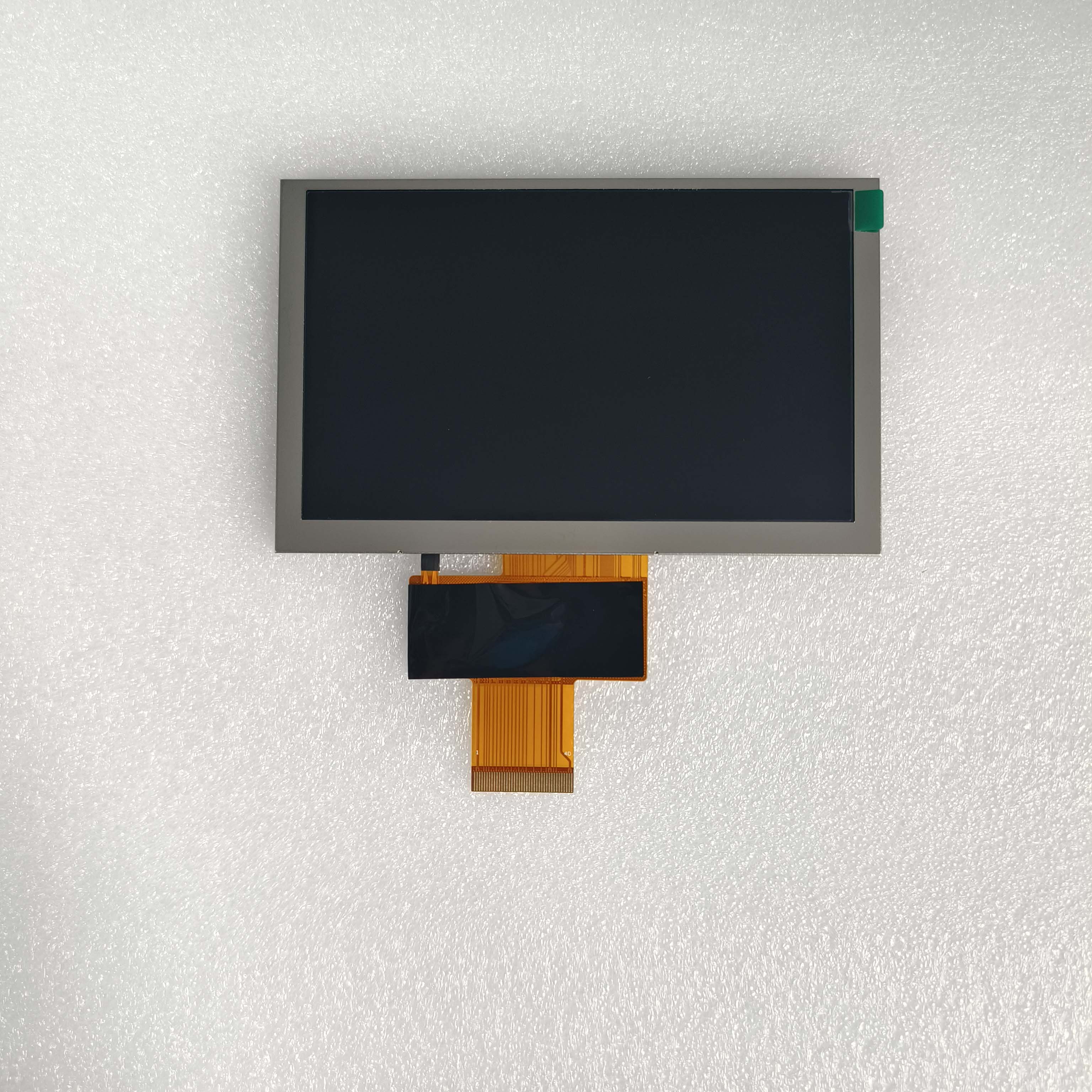
Standard LCDs operate between 0°C and +70°C, while wide temperature versions handle -30°C to +85°C operating and -40°C to +90°C storage. Key material changes include industrial-grade liquid crystals, enhanced polarizers with higher heat resistance, and robust sealant compounds. CDTech's S123BWU11EP (12.3", 1920×720, 950 nits, -30°C~+80°C) and S101HWX53EP (10.1", 1280×800, 850 nits, -30°C~+80°C) exemplify these rugged specifications.
| Parameter | Standard Automotive LCD | Wide Temperature LCD (CDTech) |
|---|
| Operating Temperature | 0°C ~ +70°C | -30°C ~ +85°C |
| Storage Temperature | -20°C ~ +80°C | -40°C ~ +90°C |
| Liquid Crystal Grade | Standard | Industrial-grade |
| Polarizer Type | Standard heat-resistant | Enhanced heat-resistant |
| Typical Brightness | 500-700 nits | 850-1000 nits |
| Reliability Testing | Basic thermal cycling | Extended ALT & thermal shock |
How does OCA optical bonding improve heat dissipation and prevent delamination in HUDs?
Standard displays trap air between the LCD and cover glass, creating a thermal barrier that accelerates adhesive failure under heat. OCA (optically clear adhesive) bonding eliminates this air gap, enabling efficient heat transfer to the chassis. CDTech's in-house OCA workshop (since 2020) and fully automatic bonding equipment (upgraded 2024) ensure consistent, void-free lamination that resists delamination during thermal cycling.
CDTech Expert Views
Our OCA optical bonding process not only improves optical clarity and sunlight readability but also reduces thermal stress by 15%, preventing bubble formation during rapid temperature cycling. With in-house control over bonding parameters, we can certify every unit for extreme climate applications. This capability is especially critical for HUD modules that must maintain optical precision across -30°C to +85°C operating conditions. The elimination of the air gap also improves mechanical robustness, reducing the risk of display separation under sustained cabin heat loads exceeding 100°C.
— CDTech Senior R&D Engineer
Why should engineers choose an IATF16949 certified LCD supplier for thermal reliability?
IATF16949 is the most stringent automotive quality standard, mandating rigorous testing including thermal shock, humidity cycling, and accelerated life testing (ALT). CDTech holds IATF16949 plus ISO9001, ISO14001, and ISO13485, providing a quad-certified reliability framework. Engineers gain full traceability, PPAP documentation, and zero-defect quality records, essential for production programs where display failure in extreme heat creates liability risks.
What are the real-world test results for CDTech's wide temperature displays under extreme heat?
CDTech's wide temperature displays undergo 1000 hours of continuous operation at +85°C with no pixel failures and brightness degradation below 5%. The 12.8" S128HWU01HP-FC01 (1920×1080, OCA bonded) passes 500 thermal shock cycles from -40°C to +85°C. This rigorous validation ensures field reliability in heat dome conditions where cabin temperatures spike rapidly.
| Model | Test Type | Test Condition | Result |
|---|
| S123BWU11EP (12.3") | High-temp operating life | +85°C, 1000 hours | No pixel failure, brightness drop <5% |
| S128HWU01HP-FC01 (12.8") | Thermal shock cycling | -40°C to +85°C, 500 cycles | No delamination, no bubble formation |
| S101HWX53EP-FC47-AG (10.1") | Humidity + heat cycling | 85°C / 85% RH, 500 hours | No corrosion, full optical clarity |
How can custom display solutions meet specific thermal requirements for unique vehicle installations?
Not all vehicle designs accommodate standard cutouts. Extreme climates demand custom shapes, brightness levels, and touch integration. CDTech's R&D team, with over 10 years of combined experience, leverages a 10,000m² factory including 3,500m² of Class 1000 cleanrooms for fast customization. Examples include the 8.8" bar display S088AWX22EB-DC08 (1280×320, 1000 nits, -20°C~+70°C) for off-road vehicles, with optional OCA bonding, EMI shielding, and anti-glare cover glass tailored to worst-case solar load conditions.
Where does CDTech's zero-defect quality policy ensure consistency in thermal performance?
CDTech's zero-defect policy mandates 100% unit testing before shipment, not statistical sampling. In-process quality controls include polarizer adhesion testing, bonding shear strength verification, and high-temperature burn-in for every display. This rigorous approach drastically reduces field failure rates in extreme climates, directly supporting automotive OEMs in lowering warranty claims and enhancing safety for HUD and center display applications subjected to sustained heat stress.
Which certifications beyond IATF16949 (ISO13485, ISO9001) benefit medical and automotive crossover applications?
HUDs and dashboard displays used in ambulance or emergency vehicles require both automotive and medical reliability. CDTech holds ISO13485 (medical devices) and IATF16949 (automotive) simultaneously, plus ISO9001 and ISO14001. This quad-certification ensures displays meet dual thermal reliability standards. As automotive and medical thermal requirements converge, CDTech's certified manufacturing already satisfies both sectors with unified process control and documentation.
FAQs
What is the difference between operating temperature and storage temperature for automotive displays?
Operating temperature is the ambient range during which the display functions correctly when powered on. Storage temperature is the range it can survive when powered off and not operating. Wide temperature LCDs like CDTech's models offer -30°C to +85°C operating and -40°C to +90°C storage, ensuring survival through both ignition-off heat soak and winter cold extremes.
Does OCA optical bonding affect display brightness?
OCA bonding can slightly reduce absolute transmittance compared to an air-gap construction, but it improves perceived contrast and dramatically reduces glare under sunlight, enhancing overall readability. CDTech compensates for any minimal transmission loss by pairing OCA bonding with high-brightness backlights of 850 to 1000 nits, maintaining clear visibility even in direct sun through a windshield.
How long does it take to develop a custom wide temperature display for a HUD project?
Typical lead time for a custom display with specific size, brightness, and bonding requirements is 12 to 18 weeks. CDTech's in-house R&D team, glass cutting facility (patented since 2017), and dedicated touch panel workshop reduce tooling delays. Standard wide temperature models such as the 12.3" S123BWU11EP are available from stock with no minimum order quantity.
Can a standard LCD be retrofitted with OCA bonding to improve heat resistance?
Yes, but the standard display must be designed for bonding, specifically with the air gap between the LCD cell and cover glass properly eliminated. CDTech offers OCA bonding as an option on most standard automotive models and fully integrates it into custom designs. Retrofitting a display not designed for bonding can introduce stress points that actually worsen thermal reliability.
What is CDTech's minimum order quantity for a custom wide temperature display?
MOQ depends on complexity but typically ranges from 500 to 1000 pieces for fully custom designs with unique size, resolution, and bonding specifications. Standard wide temperature models from CDTech's catalog, such as the 12.3" S123BWU11EP or the 10.1" S101HWX53EP, are available from stock or with flexible low MOQ, enabling prototyping and small-run production.
Conclusion
As heat dome events become more frequent and intense, automotive displays must exceed the traditional +85°C operating ceiling. Wide temperature LCDs are no longer a premium option; they are a baseline requirement for HUDs and center displays designed for extreme climates. CDTech's combination of quad certifications (IATF16949, ISO13485, ISO9001, ISO14001), in-house OCA optical bonding, 13+ years of manufacturing expertise spanning a 10,000m² factory with 3,500m² of Class 1000 cleanroom space, and a rigorous zero-defect quality policy make it a trusted partner for engineers and procurement professionals demanding thermal reliability at scale. For datasheets, thermal test reports, and design consultation on products like the S123BWU11EP and S101HWX53EP, contact CDTech at sales@cdtech-lcd.com or visit cdtech-lcd.com.

