IPS (In-Plane Switching) LCD screens have become a mainstream choice in
various industries due to their wide viewing angles, excellent color
consistency, and stable performance. However, different application fields place
different demands on display modules. Choosing the right IPS LCD requires
evaluating factors such as environment, reliability, color performance,
interface compatibility, and long-term supply.
This article outlines the key considerations for selecting IPS screens in
industrial, consumer electronics, and medical scenarios.
Understanding Why IPS Panels Stand Out
Before diving into specific industries, it is essential to understand the
core advantages of IPS LCDs:
True wide viewing angles (typically 178°) without color shift
High color accuracy and uniformity
Stable response characteristics suitable for motion graphics
Good sunlight readability when paired with high brightness
Excellent long-term reliability compared with other LCD modes
Because of these attributes, IPS displays are now widely used across
devices requiring precise visuals, operational clarity, and multi-angle viewing
performance.
IPS Selection Points for Industrial Applications
Industrial environments are often harsh, demanding greater durability and
long-term stability. When choosing IPS screens for industrial use, consider the
following:
High Brightness and Sunlight Readability
Industrial equipment such as outdoor kiosks, AGVs, smart meters, and field
operation terminals frequently operate in bright or outdoor environments. IPS
screens should ideally provide:
700–1500 nits brightness depending on ambient light
Anti-glare or optical bonding to reduce reflections
Wide operating temperature ranges (e.g., -20°C to +70°C or higher)
Long Product Lifecycle and Stable Supply
Industrial equipment usually has a long service life. Display modules with
5–7 years of guaranteed supply and stable component sourcing are essential to
avoid redesign costs.
Robust Structure and Durability
Industrial displays must withstand continuous operation:
High vibration and shock resistance
Reinforced cover glass or touch panel
IP-rated protection when used with waterproof housings
Interface Compatibility
Depending on system architecture, industrial devices may require:
LVDS or RGB interfaces for legacy systems
MIPI, eDP, or HDMI for newer platforms
Choosing a display with flexible interface options ensures easier
integration with embedded systems.
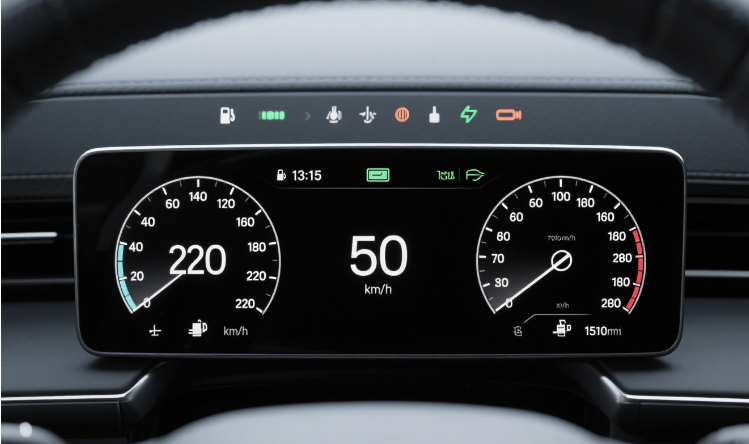
IPS Selection Points for Consumer Electronics
Consumer electronics prioritize visual performance, compactness, and
interactive experience.
Color Accuracy and Visual Appeal
For devices such as smart home panels, handheld terminals, and digital
control panels, IPS screens should offer:
High color gamut (NTSC 70–95% or higher)
Precise color calibration
High contrast ratio
These features ensure the display remains visually impressive and
user-friendly.
Slim Design and Low Power Consumption
Consumer devices emphasize sleek form factors. Selecting modules with:
Ultra-thin backlight designs
Low power LED drivers
MIPI interfaces for compact PCB layouts
helps manufacturers achieve modern, lightweight designs.
Capacitive Touch Integration
Most consumer products require smooth and intuitive touch operation. IPS
modules should support:
Projected capacitive touch (PCAP)
Multi-touch sensing
Anti-fingerprint glass
Functionality such as gesture recognition and high sensitivity through
thicker cover glass improves user experience.
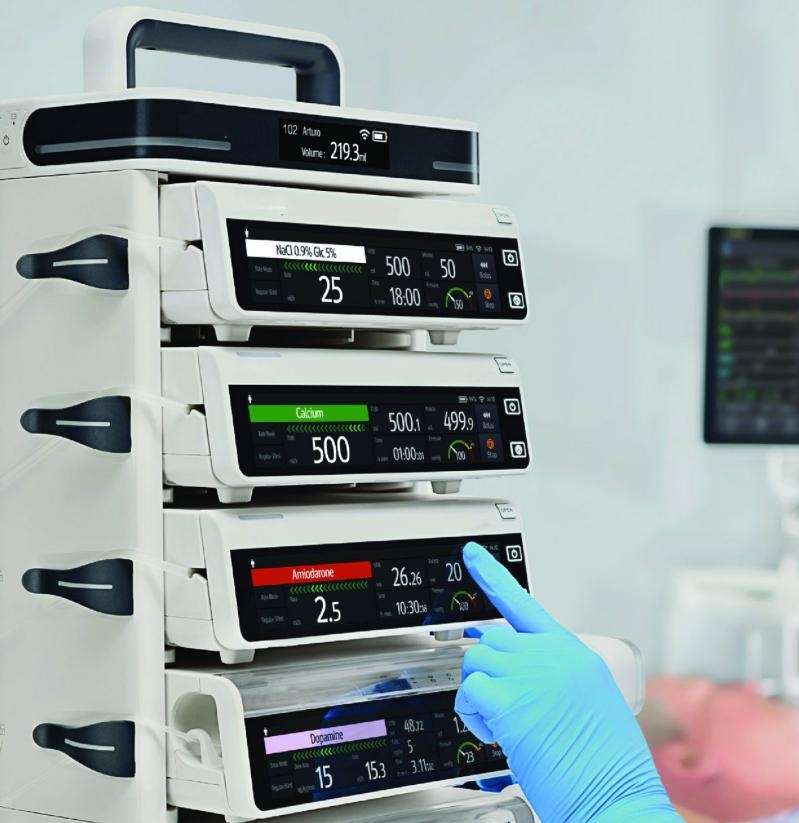
IPS Selection Points for Medical Devices
Medical environments demand the highest levels of clarity, color precision,
safety, and reliability.
High Color Accuracy and Image Fidelity
Medical displays are used for diagnostic equipment, patient monitoring, and
imaging devices. They require:
Strict color consistency (Delta E control)
High contrast ratios and uniform backlighting
Stable grayscale reproduction for accurate readings
Any deviation in color or brightness can affect clinical judgment.
Long-Term Stability and Low Drift
Medical devices run continuously, often 24/7. IPS screens must be:
Highly resistant to image retention
Designed with stable backlight systems
Manufactured with low-defect-rate processes
This ensures consistent performance throughout the device’s lifecycle.
Compliance and Hygiene Considerations
Medical displays may need:
High-surface hardness for frequent cleaning
Anti-bacterial or chemical-resistant coatings
Certifications such as ISO13485 compatibility at the module level
Choosing display modules built in facilities that meet medical quality
system requirements ensures safety and traceability.

How LCD Manufacturers like CDTech Add Value
When selecting an IPS screen, partnering with a professional LCD
manufacturer ensures reliable customization options such as:
Tailored brightness and backlight lifetime
Touch integration with cover glass printing
Optical bonding services
Custom PCB design and interface modification
Long-term supply guarantees
Strict quality control under ISO9001, ISO14001, ISO13485, IATF16949
Manufacturers with advanced dust-free workshops and automated production
lines can deliver stable, high-quality IPS modules for diverse industries.
Conclusion: Choose IPS Displays Based on Environmental and Functional
Needs
Selecting the right IPS LCD screen depends on the specific requirements of
the application—whether it is industrial durability, consumer visual appeal, or
medical-grade precision. By evaluating factors such as brightness, durability,
color performance, interfaces, and long-term reliability, companies can ensure
that their final product delivers optimal performance in its intended
environment.
For businesses seeking reliable display solutions, working with a
specialized LCD manufacturer provides the technical support, customization
flexibility, and long-term stability necessary for success across different
markets.