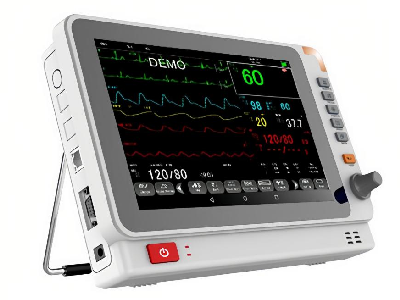
Medical devices increasingly rely on high-quality visual interfaces to
support diagnosis, monitoring, and treatment. From patient monitors and
ultrasound systems to surgical equipment and laboratory analyzers, displays are
a critical part of how clinicians interact with technology. In this environment,
display performance is not simply a matter of aesthetics—it directly affects
clinical decision-making, workflow efficiency, and patient safety.
Among the various display technologies available today, IPS (In-Plane
Switching) displays have become a preferred choice for many medical device
manufacturers. Their stable color performance, wide viewing angles, and
consistent image quality make them well-suited for applications where accuracy
and reliability are essential. However, selecting an IPS display for medical use
requires careful consideration of technical, environmental, and regulatory
factors.
The Importance of Display Accuracy in Clinical Environments
In medical settings, visual information is often used to make
time-sensitive and high-stakes decisions. Whether a clinician is interpreting
waveform data on a patient monitor, analyzing grayscale images on an ultrasound
screen, or reviewing color-coded diagnostic results, display accuracy plays a
direct role in clinical outcomes.
IPS displays are valued in this context because they offer consistent color
reproduction and minimal color shift across wide viewing angles. This ensures
that information appears the same whether the clinician is standing directly in
front of the screen or viewing it from the side, which is common in busy
clinical environments where multiple staff members may need to view the same
display simultaneously.
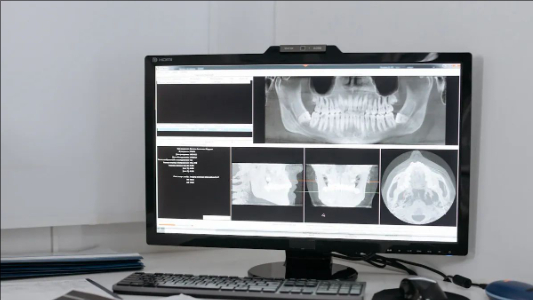
Accurate grayscale rendering is also critical in many medical imaging
applications. IPS technology supports stable luminance and uniformity, helping
to maintain consistent grayscale performance across the screen. This is
especially important for applications such as radiology, ultrasound, and
endoscopy, where subtle contrast differences may carry diagnostic
significance.
Wide Viewing Angles and Multi-User Visibility
Hospital and clinical environments are rarely optimized for a single
viewing position. Displays may be mounted on carts, walls, or equipment arms,
and clinicians often view screens from different heights and angles. In these
situations, narrow viewing angle technologies can result in color inversion,
contrast loss, or image distortion.
IPS displays are specifically designed to maintain image quality across
wide horizontal and vertical viewing angles, typically up to 178 degrees. This
characteristic makes IPS particularly suitable for:
Bedside patient monitoring
Operating room displays viewed by surgical teams
Nurse station and central monitoring systems
Mobile medical carts and portable diagnostic devices
By ensuring consistent image quality from multiple angles, IPS displays
support collaborative workflows and reduce the risk of misinterpretation caused
by viewing angle limitations.
Reliability and Long-Term Stability in Medical Use
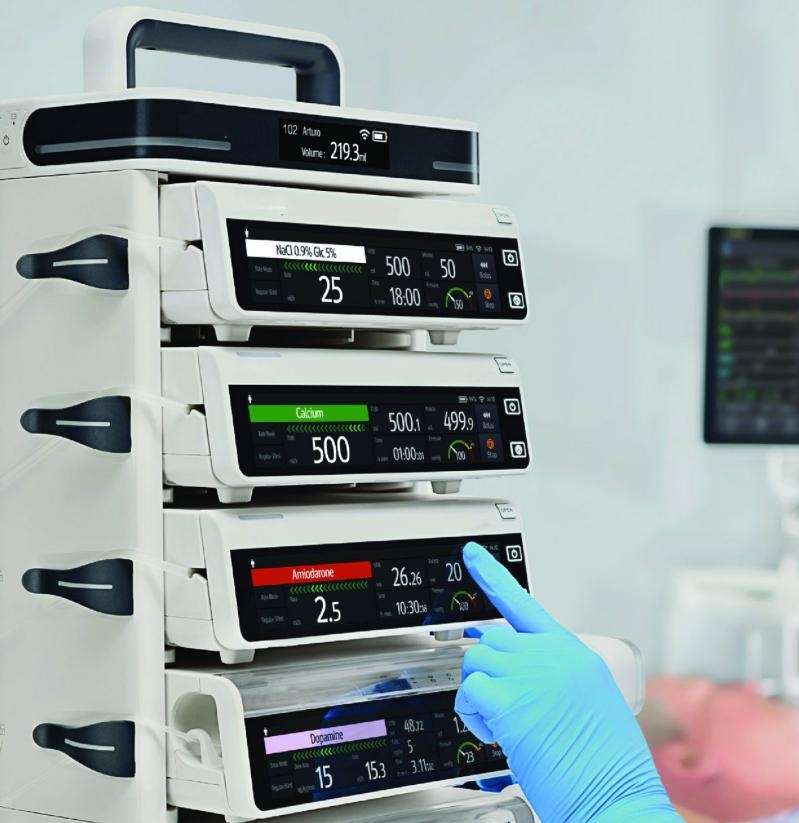
Medical devices are expected to operate continuously for long periods,
often in 24/7 clinical environments. Displays used in such systems must offer
not only good initial performance, but also long-term stability over years of
service.
IPS displays are widely recognized for their stable performance
characteristics over time. Compared to some other display technologies, IPS
panels typically show less color shift and brightness degradation, making them
suitable for devices with long product lifecycles. This stability is
particularly important for medical OEMs, as medical equipment platforms often
remain in production and support for many years.
In addition, IPS displays can be engineered for extended operating
temperature ranges and enhanced durability, allowing them to function reliably
in various hospital and clinical conditions. This includes resistance to
vibration, mechanical stress, and frequent power cycling, all of which are
common in mobile or portable medical equipment.
Brightness, Contrast, and Ambient Lighting Conditions
Medical environments vary widely in ambient lighting, from dimly lit
diagnostic rooms to brightly illuminated operating theaters. Displays must
remain readable and accurate under these changing conditions.
High-brightness IPS displays can be designed to provide clear visibility in
well-lit environments, reducing glare and improving readability. At the same
time, stable contrast performance helps ensure that important visual details are
preserved even under challenging lighting conditions.
For applications such as operating rooms and emergency departments, glare
reduction and anti-reflective surface treatments are often combined with IPS
technology to improve usability. These design considerations help ensure that
critical information remains visible without causing eye strain or visual
fatigue during long procedures.
Compliance with Medical Standards and Regulatory Requirements
Medical devices are subject to strict regulatory and quality requirements
in many regions, including standards related to safety, electromagnetic
compatibility, and performance consistency. Displays used in medical equipment
must support these regulatory frameworks and be suitable for integration into
certified medical systems.
While the IPS display itself is only one component of a medical device, its
performance characteristics can influence overall system compliance. Stable
brightness, predictable behavior, and consistent color output all support system
validation and verification processes. For certain diagnostic applications,
displays may also need to support calibration procedures to ensure long-term
accuracy.
Medical OEMs often work with display suppliers that can provide long-term
product availability, documentation, and quality control processes aligned with
medical device manufacturing requirements. IPS display platforms with
established automotive or industrial-grade heritage are often favored because
they offer similar levels of reliability and traceability.
Cleaning, Infection Control, and Surface Durability
In healthcare environments, displays are frequently cleaned and disinfected
to meet infection control protocols. This places additional demands on display
surfaces and front glass or cover lenses.
IPS displays used in medical devices are typically integrated with
protective cover glass, optical bonding, and surface coatings designed to
withstand repeated cleaning with approved disinfectants. The stability of the
underlying IPS panel ensures that image quality is maintained even when
additional protective layers are added.
Optical bonding can also improve contrast, reduce internal reflections, and
enhance mechanical strength, making the overall display module more robust for
medical use.
Power Efficiency and Thermal Management
Many medical devices, particularly portable or battery-powered equipment,
require careful power management. Displays are often one of the largest
contributors to overall system power consumption.
IPS technology offers a good balance between image quality and power
efficiency, especially when combined with optimized LED backlighting and power
control electronics. Efficient thermal management is also important, as
excessive heat can affect both display performance and overall device
reliability.
By selecting IPS displays designed for industrial or medical environments,
device manufacturers can better manage power and thermal constraints while
maintaining the required level of visual performance.
Choosing the Right IPS Display for Medical Applications
Selecting an IPS display for a medical device is not simply a matter of
choosing a panel size and resolution. Medical OEMs must consider a range of
factors, including:
Color and grayscale accuracy requirements
Viewing angle performance
Brightness and contrast targets
Operating temperature range
Expected lifetime and availability
Compliance and documentation support
Integration options such as touch, optical bonding, and cover glass
Working closely with experienced display suppliers can help ensure that the
selected IPS solution meets both technical and regulatory needs, while also
supporting long-term product strategy.
Conclusion: Why IPS Displays Are a Strong Choice for Medical Devices
IPS display technology has earned a strong position in the medical device
industry due to its combination of accuracy, wide viewing angles, long-term
stability, and reliable performance. These characteristics align closely with
the demands of clinical environments, where visual information must be clear,
consistent, and trustworthy.
While no single display technology is ideal for every medical application,
IPS offers a well-balanced solution for a wide range of devices, from bedside
monitors to advanced diagnostic systems. For medical OEMs focused on quality,
reliability, and long-term support, IPS displays remain a practical and proven
choice that supports both clinical performance and regulatory compliance.