An industrial LCD replacement is a new display panel designed to drop directly into an existing HMI enclosure without mechanical or electrical redesign. Success depends on matching three critical criteria: form‑factor dimensions (mounting holes, cutout size), electrical interface (pinout, LVDS/RGB), and total thickness (including OCA bonding for optical clarity). CDTech’s zero‑defect quality policy and quad certifications ensure a perfect fit for legacy cutouts.
Check: How Does Industrial LCD Longevity Mitigate EOL Risks for 10-Year Projects?
What Are the Three Critical Dimensions for a Drop‑In LCD Replacement?
The three critical dimensions are the cutout outer dimensions (width, height, corner radius), mounting hole positions, and total panel thickness. Even a 0.5 mm offset in mounting holes can cause assembly failure.
When selecting a replacement, start by measuring the opening in your HMI front bezel. Most industrial HMIs follow standard sizes such as 5.0″, 7.0″, 10.1″, or 12.3″, but custom enclosures are common. Document the centre‑to‑centre distance of screw holes or mounting tabs. Also measure the depth of the bezel recess where the display sits – this determines the maximum allowable thickness of the new panel, including any touch layer or OCA‑bonded cover glass.
CDTech’s standard vehicle and industrial LCD displays cover these common cutout sizes. The table below shows example models that fit typical legacy openings.
| Legacy HMI Cutout Size | CDTech Model | Resolution | Interface |
|---|
| 5.0″ | S050HWV29ES | 800×480 | LVDS |
| 7.0″ | S070BWS48ED | 1024×600 | RGB |
| 10.1″ | S101HWX53EP-FC47-AG | 1280×800 | LVDS |
| 12.3″ | S123BWU11EP | 1920×720 | LVDS |
How Do You Measure Your HMI Cutout Accurately?
Use a calibrated digital calliper to measure the cutout’s width and height at three points to verify uniformity. Record the depth of the bezel recess and photograph the mounting holes from a right‑angle view to measure distances from hole centre to edge.
For precise results, measure the width and height of the opening at the top, middle, and bottom – industrial enclosures can warp over time. The depth of the recess is critical because it limits the total thickness of the display module. If you plan to use a touchscreen, include the thickness of the touch panel and any OCA bonding layer. Pro tip: Download a mechanical drawing template from CDTech’s website for standard sizes and overlay it on your physical cutout photo to spot deviations quickly.
CDTech’s engineering team can also provide a measurement checklist upon request. With 13+ years of experience, they have helped hundreds of customers reverse‑engineer legacy panels from brands like Siemens and Allen‑Bradley.
Which Electrical Interfaces Ensure Compatibility Without Redesign?
LVDS is the most common interface for 7″–12.3″ panels. Check lane count (single/dual), voltage (3.3V/5V/12V), and connector pitch. For older HMIs (≤5.7″), RGB/TTL is typical. MIPI‑DSI is used in high‑resolution automotive and medical displays.
CDTech’s drop‑in replacement panels are designed to match the pinout of leading industrial brands. All LCD modules include a full pinout table, and the company can supply a matching cable assembly or adapter board if your existing connector differs. For example, if your legacy HMI uses a 20‑pin LVDS connector but the new panel has a 30‑pin connector, CDTech can provide a custom adapter cable that converts the pinout without modifying your mainboard. This saves weeks of redesign and validation.
The product line supports RGB, LVDS, MCU, and MIPI interfaces across sizes from 2.4″ to 12.8″. For older equipment, the 2.4″ S024HQ42EN with MCU/RGB interface is a popular replacement. For modern upgrades, the 12.3″ S123AWU07ES uses LVDS and offers high brightness and wide temperature range.
Why Does OCA Optical Bonding Affect Total Thickness?
OCA bonding adds 0.5–1.0 mm to total thickness because it replaces the air gap with a solid adhesive layer. This improves sunlight readability but may require a thinner cover glass or a deeper bezel in legacy enclosures.
Many industrial HMIs were originally designed with an air gap between the LCD and cover glass. OCA (Optical Clear Adhesive) bonding eliminates that gap, which enhances contrast and reduces reflections. However, the added thickness can push the total display stack beyond the internal clearance of your enclosure. CDTech’s in‑house OCA bonding line, located in a 3,500 m² thousand‑level dust‑free workshop, allows precise control of adhesive thickness down to ±0.05 mm. They can also offer a thinner cover glass (0.7 mm instead of 1.1 mm) to minimise the thickness increase.
| Panel Type | No Touch (Air Gap) | Touch + Air Gap | OCA‑Bonded Touch + Cover Glass |
|---|
| 10.1″ Example (CDTech S101HWX53EP‑FC47‑AG) | – | – | Adds 0.5–1.0mm (exact values available on request) |
| General Thickness Change | Baseline | +0.8 mm (approx.) | +1.2 mm (approx.) |
CDTech Expert Views
“Our in‑house OCA bonding line, inside a 3,500 m² dust‑free workshop, allows us to precisely control adhesive thickness down to ±0.05 mm. We can simulate the effect of various cover glass thicknesses on your HMI cutout depth before production. This is especially important for vehicle and medical applications where every millimetre counts. With our 2024 fully automatic POL/LCD/CTP equipment, we can also produce custom glass sizes that match non‑standard cutouts without costly tooling changes. The goal is always a zero‑defect drop‑in replacement.” – CDTech R&D Lead
How Can CDTech’s Custom Solutions Match Non‑Standard Cutouts?
CDTech uses its glass cutting patent and 2024 automated equipment to produce custom‑sized TFT cells for cutouts that deviate from standard sizes, such as bar‑type or square shapes. Minimum order quantities are flexible from 500 to 50,000 pieces.
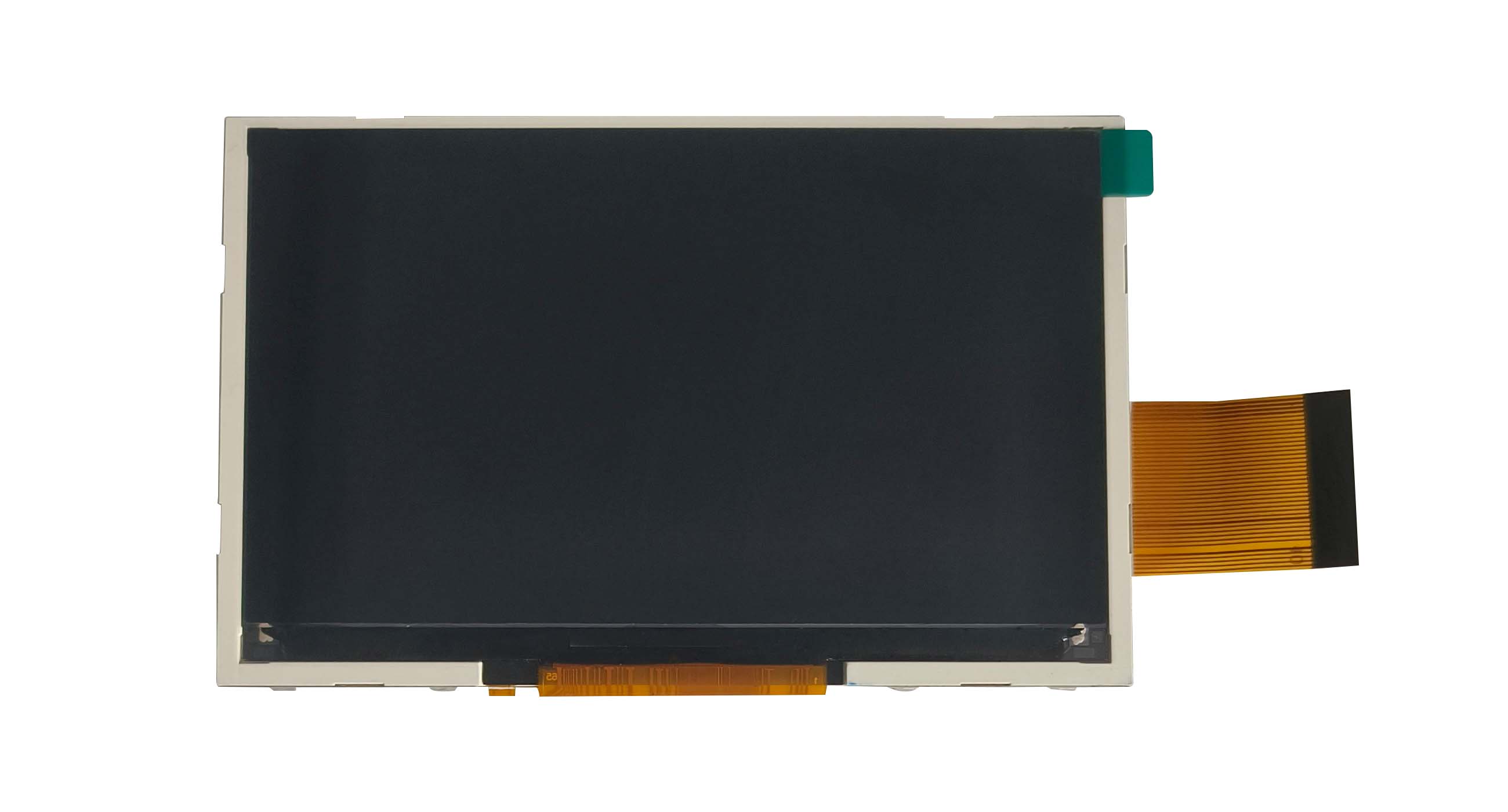
If your HMI has a unique cutout – for example, a 7.84″ × 4.21″ opening – CDTech can customise a display to fit. The company’s glass cutting patent (granted in 2017) enables rectangular, square, and bar‑type shapes like the 8.8″ BAR LCD S088AWX22EB‑DC08 with 1280×320 resolution or the 3.9″ BAR LCD S039QWQ01HS‑DC02 with 480×128. These ultra‑wide aspect ratios are ideal for dashboard strips and digital signage. For square cutouts, the 5.0″ S050QWS115EN (600×600, 900 nits) and the 7.53″ S075BWX01EP‑FC01 (800×800, MIPI) provide direct replacements. CDTech’s R&D team works closely with customers to adapt standard panels to irregular mounting hole patterns or unusual thickness requirements.
What Certifications Guarantee Zero‑Defect Drop‑In Performance?
CDTech holds ISO9001 (quality), ISO14001 (environmental), ISO13485 (medical), and IATF16949 (automotive) certifications – a rare combination. Their zero‑defect policy ensures dimensional tolerances of ±0.1 mm and 100% optical/electrical testing before shipment.
Check: Industrial LCD
These certifications are critical for industries with strict reliability requirements. ISO13485 is essential for medical devices like patient monitors, while IATF16949 is mandatory for automotive instrument clusters and infotainment systems. CDTech’s factory, with its 10,000 m² total area and 3,500 m² thousand‑level dust‑free workshop, ensures a contamination‑free environment for OCA bonding and touch panel assembly. Every replacement panel undergoes dimensional inspection with calibrated tools, optical testing for brightness and uniformity, and electrical verification of interface signals. This rigorous process minimises the risk of a misfit or early failure in the field.
How to Future‑Proof Your HMI Display Selection?
Choose a panel with wide operating temperature (–20°C to +70°C or –30°C to +85°C for vehicle) and high brightness (≥1000 nits). Select an LVDS interface with dual‑lane support to allow resolution upgrades without changing cables. Work with a supplier that offers 5+ years of lifecycle support.
Future‑proofing goes beyond the initial fit. CDTech’s vehicle displays, such as the 12.3″ S123BWU11EP (1920×720, 950 nits) and the 3.6″ round S036BWS01EN (1000 nits), already support wide temperature ranges for harsh environments. For industrial applications, the 7.0″ S070BWS48ED (1024×600, 1000 nits) provides the headroom for increased ambient light. Using dual‑lane LVDS (as found on the 10.1″ S101HWX53EP‑FC47‑AG) means you can later upgrade from 800×480 to 1280×720 on the same cable assembly. Additionally, CDTech maintains production continuity for panels used in long‑life projects. They evaluate material changes to ensure ongoing reliability – a key advantage when a replacement must work for another ten years.
Frequently Asked Questions
Can I replace a 10.4″ legacy HMI LCD with a 10.1″ widescreen panel?
Yes, if the cutout dimensions are compatible. A 10.1″ widescreen (218.6 mm × 122.8 mm) is often slightly narrower than a 10.4″ (210 mm × 158 mm). You may need a bezel adapter plate. CDTech can supply a custom frame that fills the gap while maintaining the original mounting holes.
Does OCA bonding make a display thicker?
Yes, it adds 0.5–1.0 mm depending on the cover glass thickness. Measure your HMI’s internal depth before selecting an OCA‑bonded replacement. CDTech can offer a thinner cover glass (0.7 mm vs. 1.1 mm) to minimise the thickness change.
What if my existing HMI uses a 20‑pin LVDS connector, but the new panel has a 30‑pin one?
CDTech can provide a custom adapter cable or interposer board that converts the pinout without modifying your mainboard. All drop‑in replacement panels include a detailed pinout map for this purpose.
How long does it take to get a custom‑sized replacement LCD?
For non‑standard cutouts, CDTech’s 2024 automated equipment can deliver prototypes in 2–3 weeks and production orders in 4–6 weeks. Rushed samples are possible for urgent downtime situations.
Are CDTech’s replacement panels compatible with Siemens, Allen‑Bradley, and other HMI brands?
Yes, CDTech has reverse‑engineered many legacy HMI panels from major brands. Our engineers can match the original mechanical dimensions, connector placement, and electrical specifications. Contact us with your brand and model number for a fitment check.
Conclusion
A successful industrial LCD replacement starts with precise measurement of your HMI cutout, then matching the electrical interface and total thickness. CDTech bridges the gap between legacy enclosures and modern screen technology by combining standard drop‑in models with custom sizing capability, all backed by quad certifications and a zero‑defect quality policy. Whether you need a direct swap for a 7″ panel or a custom bar‑shape display for a unique vehicle HMI, CDTech’s 13+ years of experience, in‑house OCA bonding, and 10,000 m² factory enable a future‑proof solution that fits the very hole you already have. Contact CDTech at sales@cdtech‑lcd.com or +86 755‑23032202 to verify your next drop‑in replacement.


