A low power automotive LCD extends EV battery range by reducing the "vampire drain" from the infotainment system. CDTech's OCA optical bonding eliminates the air gap, allowing the backlight to run at lower brightness while maintaining sunlight readability. This cuts display power consumption significantly, directly helping OEMs meet 2026 BEV energy efficiency standards.
Check: Vehicle LCD Display | Automotive LCD Display Manufacturers - CDTECH LCD
Why Is Reducing Vampire Drain Critical for 2026 BEV Energy Efficiency Standards?
Vampire drain from always-on infotainment, instrument clusters, and HUDs can consume 5–10% of total vehicle electrical load even while driving. With 2026 BEV efficiency thresholds tightening in both EU and China markets, every subsystem must be optimized. Display power is now a key line item in the vehicle energy budget.
For OEMs, reducing parasitic load directly translates to additional kilometers of range per charge. A display that draws even 2W less can extend daily driving range by nearly a kilometer over an eight-hour period. As competition intensifies, every watt saved becomes a measurable differentiator in vehicle specifications and consumer appeal.
How Does OCA Optical Bonding Technology Reduce LCD Power Consumption?
OCA (Optically Clear Adhesive) bonds the cover glass directly to the TFT cell, eliminating the air gap. This reduces internal reflections by over 90%, meaning the backlight can be dimmed 30–40% while delivering identical perceived brightness. The result is lower power draw without compromising sunlight readability.
CDTech's in-house OCA optical bonding capability, supported by a 3,500㎡ thousand-level dust-free workshop, ensures consistent, high-quality lamination. On a 10.1" LVDS display such as the S101HWX53EP-FC47-AG, which delivers 850 nits brightness, the power savings are substantial. Reduced heat generation also simplifies thermal management, further lowering system-level energy consumption.
| Parameter | Standard Air-Gap Display | CDTech OCA-Bonded Display |
|---|
| Internal reflections | High (air gap causes light loss) | Reduced by >90% |
| Backlight power at same perceived brightness | Baseline (100%) | 60–70% of baseline |
| Sunlight readability | Moderate (glare from air gap) | Excellent (minimized reflections) |
| Touch accuracy | Parallax error present | Eliminated (direct bond) |
| Durability / impact resistance | Lower (air gap can shatter) | Higher (solid lamination) |
What Power Savings Can Tier-1 Suppliers Expect from CDTech's Low Power Automotive LCD?
Tier-1 suppliers can expect a backlight power reduction of approximately 30% when specifying CDTech's OCA-bonded low power automotive LCD versus a standard air-gap design. For a 10.1" display at 850 nits, this translates to a drop from roughly 6.5W to 4.5W. Standby current is also minimized, further reducing vampire drain.
Scaling these savings across the entire vehicle display portfolio — from 7" center consoles to 12.3" instrument clusters — compounds the benefit. For a BEV with a 60 kWh battery, saving 2W from each of three displays over an 8-hour daily drive reduces total energy drain by approximately 0.48 kWh per day, extending range by 2–3 km cumulative. CDTech's vehicle display series, ranging from 3.6" to 12.8", all support OCA bonding for proportional power reduction.
Which Certifications Ensure Compliance with 2026 BEV Regulations?
CDTech holds ISO9001, ISO14001, ISO13485, and IATF16949 — the automotive industry's strictest quality management standard. This quad certification allows Tier-1 suppliers to qualify CDTech as a display partner without re-certification delays, streamlining procurement for 2026 compliance.
The IATF16949 certification is particularly critical for automotive display applications. It mandates rigorous process control, defect prevention, and continuous improvement across all manufacturing stages. CDTech's zero-defect quality policy, enforced through 100% inspection in a thousand-level cleanroom, ensures every low power automotive LCD meets strict power consumption and reliability tolerances. As a National High-tech Enterprise and Shenzhen Software Enterprise, CDTech's R&D processes are independently vetted for sustained excellence.
How Can Custom LCD Designs Further Optimize EV Battery Range?
Custom display designs eliminate wasted pixel area and unnecessary backlight LEDs. CDTech's glass cutting patent (2017) enables bar-type, square, and round form factors that precisely match the application, reducing driver IC count and backload. Custom firmware also supports dynamic brightness adjustment based on ambient light.
For example, a 12.3" bar-type display with a 1920×720 resolution (like the S123BWU11EP) can be tailored to a narrower aspect ratio using CDTech's custom capabilities, reducing pixel count and associated power draw. Engineers can also select the most efficient interface — LVDS, MIPI, or RGB — for minimum standby consumption. CDTech's R&D team, with over 10 years of industry experience, works closely with clients to define the optimal power budget for each application, whether for dashboard instruments, center consoles, or rear-seat entertainment.
What Are the Technical Specs of CDTech's Low Power Automotive LCD Series?
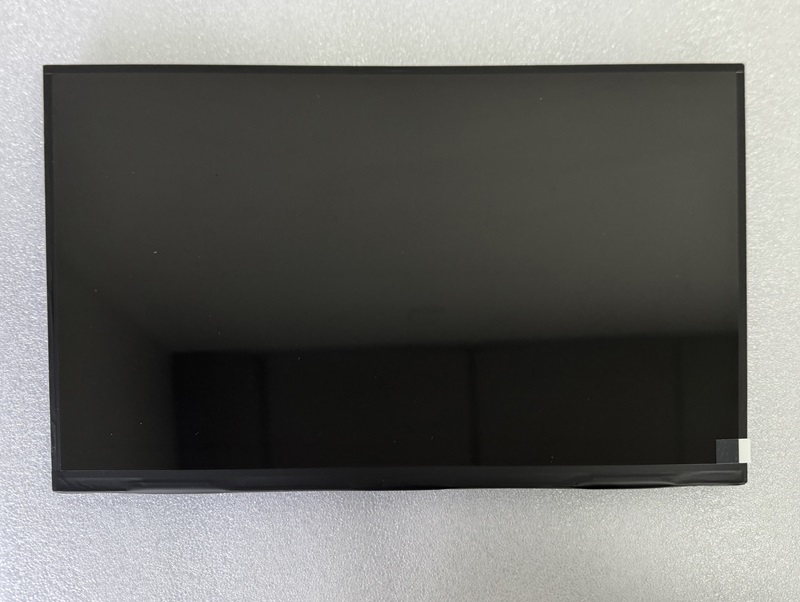
The S101HWX53EP-FC47-AG is a 10.1" automotive TFT LCD touch display with 1280×800 resolution, 850 nits brightness, LVDS interface, CTP (I2C, GT928), OCA optical bonding, and -30°C to +80°C operating range. The active area measures 216.96 × 135.60 mm with IPS technology delivering 800:1 contrast.
CDTech's full vehicle portfolio spans 3.6" to 12.8" displays with similar OCA options and IATF16949 compliance. All automotive displays feature wide operating temperature ranges from -30°C to +85°C, high brightness of 850–1000 nits, and IPS full-view panels. Customization options include PCAP resistive touch, anti-glare coating, and anti-fingerprint treatment.
| Model | Size | Resolution | Brightness | Interface | Temp Range | Key Features |
|---|
| S036BWS01EN | 3.6" | 544×506 | 1000 nits | RGB 40pins | -30°C~+85°C | Round, IPS |
| S050HWV29ES | 5.0" | 800×480 | 1000 nits | LVDS 40pins | -20°C~+70°C | IPS |
| S101HWX53EP-FC47-AG | 10.1" | 1280×800 | 850 nits | LVDS + CTP | -30°C~+80°C | OCA Bonding, AG |
| S123BWU11EP | 12.3" | 1920×720 | 950 nits | LVDS 60pins | -30°C~+80°C | IPS |
| S128HWU01HP-FC01 | 12.8" | 1920×1080 | High brightness | LVDS | Wide temp | PCAP, OCA Bonding |
How Does CDTech's Zero-Defect Policy Impact Display Reliability and Power Efficiency?
CDTech's zero-defect quality policy ensures every low power automotive LCD meets strict power consumption tolerances. Fully automatic POL/LCD/CTP equipment (upgraded in 2024) eliminates manufacturing variability that could cause power outliers. In-house OCA lamination in a thousand-level cleanroom prevents dust-induced light leakage, a common cause of backlight overdrive that raises power draw.
Each display undergoes 100% inspection and burn-in testing at high and low temperature extremes to confirm power stability over the product lifetime. This prevents gradual power creep from LED degradation, ensuring consistent energy savings throughout the vehicle's service life. The combination of automated equipment, cleanroom environment, and rigorous testing means Tier-1 suppliers receive displays that perform exactly to specification — no surprises, no wasted battery capacity.
CDTech Expert Views
"Our customers ask two things: how much range can we save, and how quickly can we qualify a display for production. The answer to both lies in our IATF16949-certified OCA bonding process. By eliminating the air gap, we cut backlight power by roughly 30% without any change to the user experience — the screen looks just as bright and crisp in direct sunlight. And because we hold quad certifications including ISO13485 and IATF16949, our displays can be integrated into Tier-1 supply chains without lengthy re-qualification cycles. For OEMs targeting 2026 BEV efficiency standards, every month saved in procurement is a month gained in vehicle development. Our goal is to give engineers a display they can trust for both power efficiency and reliability, right out of the box." — Senior Display Engineer, CDTech
Where Can Procurement Engineers Source IATF16949 Certified Low Power Automotive LCDs?
Procurement engineers can source CDTech's low power automotive LCDs directly via phone at +86 0755-23032202, WhatsApp at +8613556818296, or email at sales@cdtech-lcd.com. The full vehicle display portfolio is available at the Vehicle LCD Display category page, and custom inquiries can be submitted through the Custom LCD Solutions page.
CDTech's factory in Shenzhen, China spans 10,000㎡ including a 3,500㎡ thousand-level dust-free workshop. With 13+ years of TFT LCD manufacturing experience, in-house touch panel production since 2020, and fully automatic POL/LCD/CTP equipment upgraded in 2024, the company is well-positioned to support both standard and custom orders for 2026 production timelines. Standard prototypes ship in 4–6 weeks, while custom designs typically require 8–12 weeks after specification sign-off. Response to all inquiries is guaranteed within 24 hours.
Conclusion
For procurement engineers and OEMs targeting 2026 BEV efficiency standards, every watt saved in the display subsystem directly extends driving range. CDTech's low power automotive LCD — built with in-house OCA bonding, quad certifications including IATF16949, and a zero-defect quality policy — delivers a proven reduction in backlight power without sacrificing sunlight readability. By choosing CDTech, Tier-1 suppliers not only reduce vampire drain but also gain a certified,